
The fascinating journey of gambling through history
The fascinating journey of gambling through history
The Origins of Gambling
The roots of gambling can be traced back to ancient civilizations, where it served both as a form of entertainment and a means to predict the future. In Mesopotamia, clay dice dating back to 3000 BC provide evidence of early gambling practices. These simple games were used not only for fun but also for decision-making, often linked to spiritual beliefs. As societies developed, so did their games of chance, evolving from rudimentary forms into more structured betting practices. Today, players can explore a variety of options at fortislots-casino.com, reflecting how far gambling has come.
Ancient Egypt also played a significant role in the evolution of gambling. The Egyptians enjoyed games that involved luck, like Senet, which some historians consider an early precursor to board games. In this culture, gambling often intertwined with religious rituals, as participants believed that luck was determined by the favor of the gods. This fusion of chance and spirituality laid the groundwork for the acceptance of gambling in various forms across different cultures.
As trade routes expanded, gambling spread throughout the Mediterranean. The Greeks and Romans incorporated betting into their societies, with the latter establishing more organized games, including betting on gladiatorial contests. These early forms of betting brought communities together and fostered a spirit of competition, illustrating how gambling was an integral part of social life and cultural practices from the very start.
The Rise of Formalized Gaming
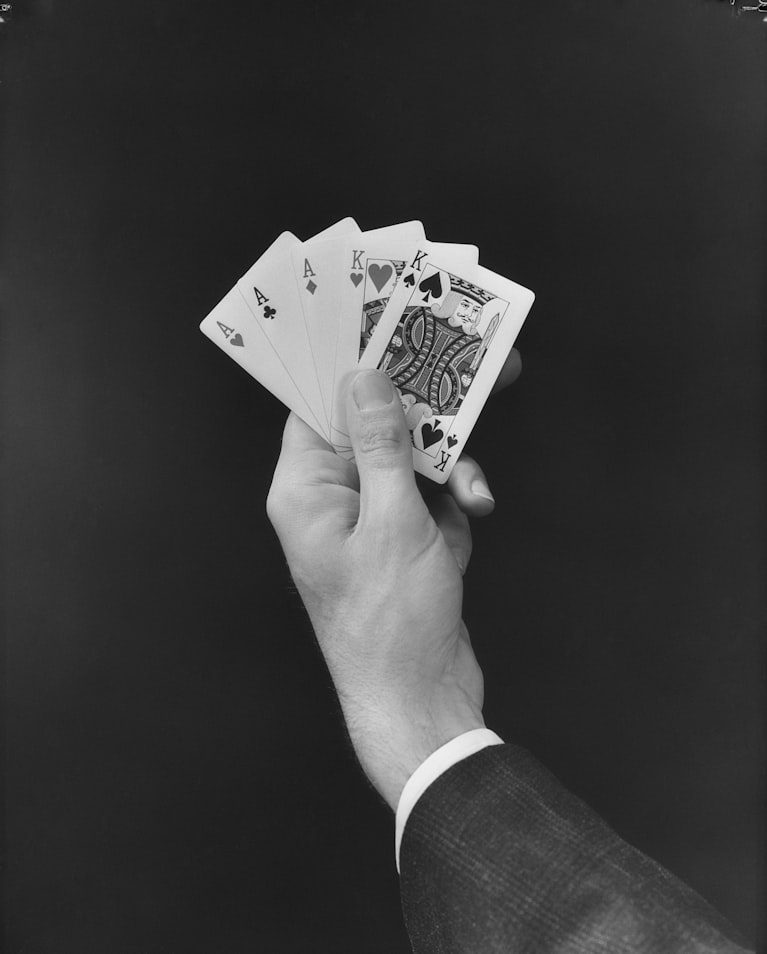
With the fall of the Roman Empire, gambling practices transformed, particularly during the Middle Ages. The establishment of gaming houses and the introduction of cards in the 14th century marked a shift toward more structured gambling environments. These gaming houses became social hubs, where people would gather not only to gamble but to socialize. The rise of the card game, known as “Tarot,” also contributed to a new era of gambling, paving the way for modern card games.
The Renaissance brought further sophistication to gambling, leading to the creation of the first casinos in Venice during the 17th century. The Casino di Venezia, established in 1638, marked a turning point in gambling history, as it introduced a regulated environment where individuals could partake in games of chance legally. These establishments not only facilitated gambling but also influenced fashion and culture, attracting aristocrats and commoners alike.
As gambling continued to flourish in Europe, laws began to regulate it more strictly. The establishment of lotteries in the 16th century was a pivotal moment, as it provided governments with a means to fund public projects while indulging citizens’ love for games of chance. This period saw the emergence of various forms of gambling that catered to different social classes, further entrenching gambling as a cultural phenomenon.
The Expansion of Gambling in the New World
The Age of Exploration introduced gambling to the Americas, where early settlers adapted European games to their new environments. In colonial America, games such as lotteries and dice became popular among settlers, often associated with social gatherings. As the nation grew, so did its gambling culture, with various states legalizing betting to generate revenue for infrastructure and public services.
The 19th century brought about a significant transformation in gambling practices in the United States. The Gold Rush attracted countless prospectors, and with them came gambling establishments that flourished in mining towns. The establishment of Las Vegas as a gambling hub in the 20th century changed the landscape of gambling forever, introducing elaborate casinos and entertainment experiences that drew millions of tourists from around the world.
By the mid-20th century, gambling had become a mainstream pastime in the U.S., leading to the legalization of casinos in several states. This shift not only changed public perception but also spurred the creation of gaming regulations to ensure fair play. The rise of Native American casinos in the late 20th century added another layer, allowing tribes to engage in gaming enterprises that supported economic development and self-sufficiency.
The Digital Revolution and Online Gambling
The advent of the internet in the late 20th century revolutionized the gambling industry, ushering in the era of online gaming. Starting in the mid-1990s, online casinos began to emerge, allowing players to engage in their favorite games from the comfort of their homes. This shift expanded the reach of gambling, providing accessibility to millions globally and creating a new demographic of online gamblers.
As technology advanced, so did the offerings of online casinos. With the introduction of live dealer games, virtual reality, and mobile gaming, the online gambling experience became increasingly immersive and interactive. Players now enjoy real-time interaction with dealers and other participants, bridging the gap between traditional and online gaming environments.
The online gambling sector has also prompted debates about regulation and responsible gaming. Governments worldwide are grappling with how to oversee this rapidly evolving industry while ensuring that players are protected and that gambling remains a safe form of entertainment. This new chapter in gambling history continues to evolve, driven by technological advancements and changing consumer preferences.
The Contemporary Landscape of Gambling
Today, gambling has firmly established itself as a multi-billion dollar industry, encompassing everything from traditional casinos to online gaming platforms. With a myriad of options available, players can choose from various games, including slots, table games, and sports betting. The recent emergence of cryptocurrencies has further transformed the landscape, enabling anonymous transactions and instant payouts for online gamblers.
The growing acceptance of gambling in society has led to a cultural shift where gambling is no longer seen as taboo. Events like the Super Bowl and major sporting events have become synonymous with betting, integrating gambling into everyday life. This cultural acceptance has fueled the demand for more innovative gaming experiences, such as fantasy sports and eSports betting, which appeal to younger generations.
However, with this expansion comes responsibility. The industry now faces the challenge of promoting responsible gambling, addressing issues such as addiction and ensuring that players can gamble safely. As the gambling landscape continues to evolve, the commitment to ethical practices and player protection will be crucial in shaping the future of this fascinating journey through history.

Fortislots Casino: A Modern Gaming Experience
Fortislots Casino stands out as a modern online gaming platform that encapsulates the rich history of gambling while offering innovative experiences for players. With over 80 game providers, including thrilling video slots and live casino options, it caters to both novice and seasoned gamblers. Players can enjoy a diverse array of games that reflect the evolution of gambling, from classic table games to cutting-edge live dealer experiences.
The casino prioritizes player satisfaction with a generous welcome bonus package, offering up to €3000 and 300 free spins. This enticing promotion ensures that new players have a robust start to their gaming experience. Additionally, Fortislots Casino provides a fully responsive mobile design, allowing users to enjoy their favorite games anytime, anywhere, further enhancing the convenience of online gambling.
Security is paramount at Fortislots Casino, with multi-currency support and various payment options ensuring that players can engage in a secure and enjoyable gaming environment. The commitment to creating a thrilling and rewarding experience reflects the enduring appeal of gambling, blending history with modern technology to provide an exceptional online gaming platform for all players.